NEW CLIENTS

Welcome to Growing Me For Me, I’m honored you’re here.
Beginning therapy is a meaningful step, and my goal is to create a space where you feel safe, supported, and deeply respected. This page includes everything you need to get started — what to expect, how I work, and the forms and policies that guide our therapeutic relationship.
If anything feels unclear or brings up questions, we’ll talk through it together.
Getting Started
1. Schedule a Consultation
If you’re new to therapy or new to my practice, you’re welcome to schedule a consultation to see whether we’re a good fit.
2. Complete Your Intake Forms
Once we schedule your first session, you’ll receive a secure link to complete your intake paperwork. These forms help us begin with clarity and shared understanding.
3. Prepare for Your First Session
For telehealth sessions, choose a private, quiet space where you feel comfortable. You’ll receive a secure video link before your appointment.
Practice Policies & Procedures
These policies help create a therapeutic environment grounded in safety, clarity, and mutual respect.
Session length: 50 minutes
Telehealth only (Florida residents)
24‑hour cancellation policy
Payment due at time of service
Email/phone for scheduling and non‑urgent communication
No crisis services provided
Confidentiality protected under HIPAA and Florida law
Professional boundaries maintained to support your safety
You’ll receive the full policy document in your intake packet.
Contracted with the following insurance companies:
Credentialing in progress
Required Forms for New Clients
Below are the documents you’ll review and sign before beginning therapy. These ensure transparency, safety, and shared expectations.
Informed Consent for Therapy: Explains the nature of therapy, risks and benefits, confidentiality, boundaries, and your rights as a client.
Telehealth Consent Form: Outlines how telehealth works, privacy considerations, technology needs, and location requirements.
Practice Policies & Procedures: Provides detailed information about scheduling, fees, communication, confidentiality, and professional boundaries.
HIPAA Notice of Privacy Practices: Describes how your health information is protected and your rights under HIPAA.
Client Rights & Responsibilities: Clarifies what you can expect from therapy and what supports your healing process.
Safety & Crisis Plan: A collaborative plan we complete together to support you during times of distress.
Release of Information (ROI): Optional — used if you want me to coordinate care with another provider or support person.
Telehealth Information
All sessions are conducted via secure, HIPAA‑aligned video platform.
Requirements:
You must be physically located in Florida during sessions
You must have a private, quiet space
You must have stable internet access
Telehealth is flexible, accessible, and effective for many clients. We’ll discuss whether it’s the right fit for your needs.
If You Are in Crisis
Growing Me For Me LLC does not provide emergency or crisis services.
If you are in immediate danger or unable to stay safe, contact local emergency services.
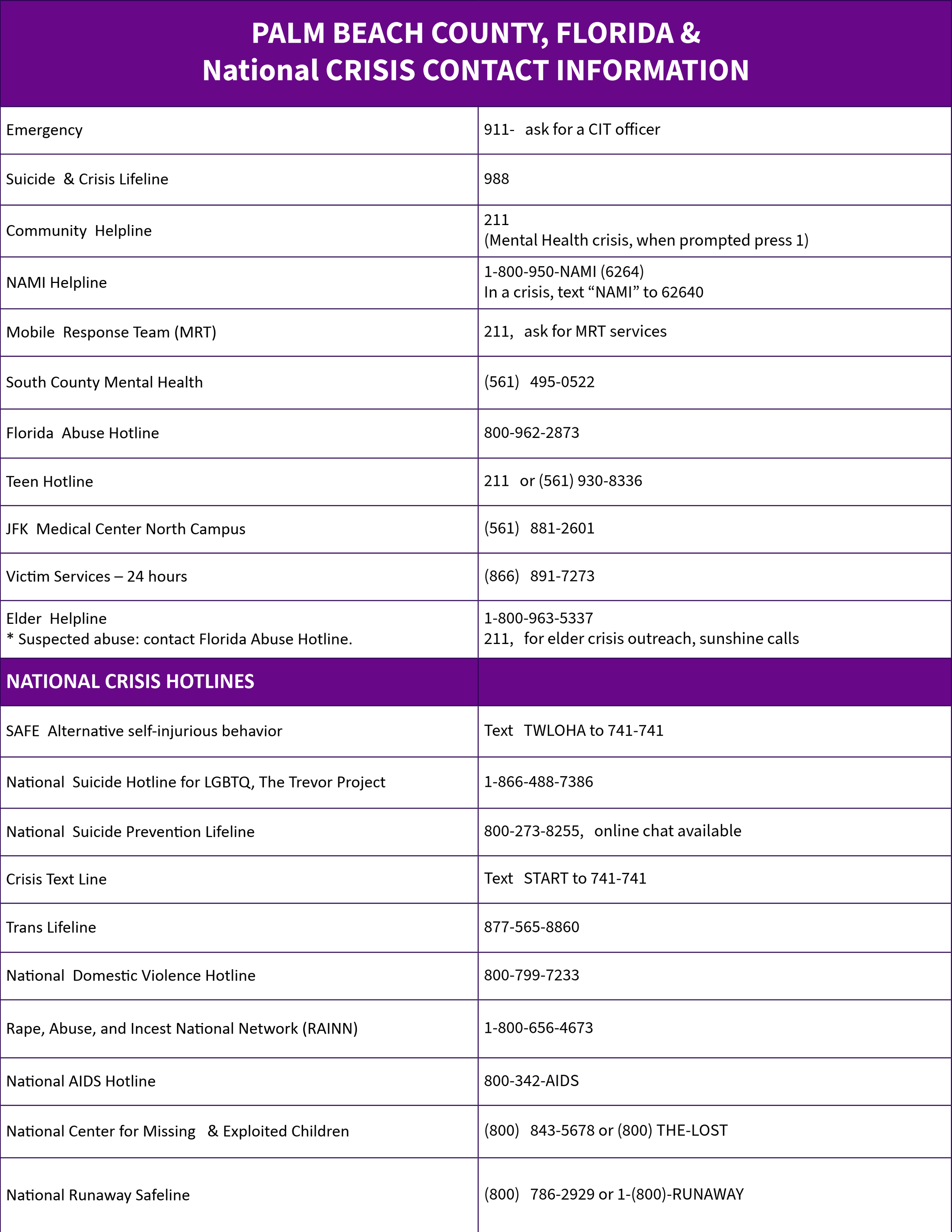
CRISIS RESOURCES
Using crisis resources is essential because no one should navigate overwhelming moments alone. These supports—whether hotlines, text lines, or local crisis teams—offer immediate connection, grounding, and guidance when emotions or circumstances feel unmanageable. They create a safe space to pause, breathe, and access trained professionals who can help stabilize the situation and identify next steps. Reaching out isn’t a sign of weakness; it’s a proactive step toward safety, clarity, and care, ensuring that people get timely support when they need it most.
HEALING.
GROWTH.
TRANSFORMATION.